The Diquis Stone Spheres
Perfectly sculpted orbs defy explanation in Costa Rica's Diquis Delta. Unearth the enigma of these ancient stone spheres.
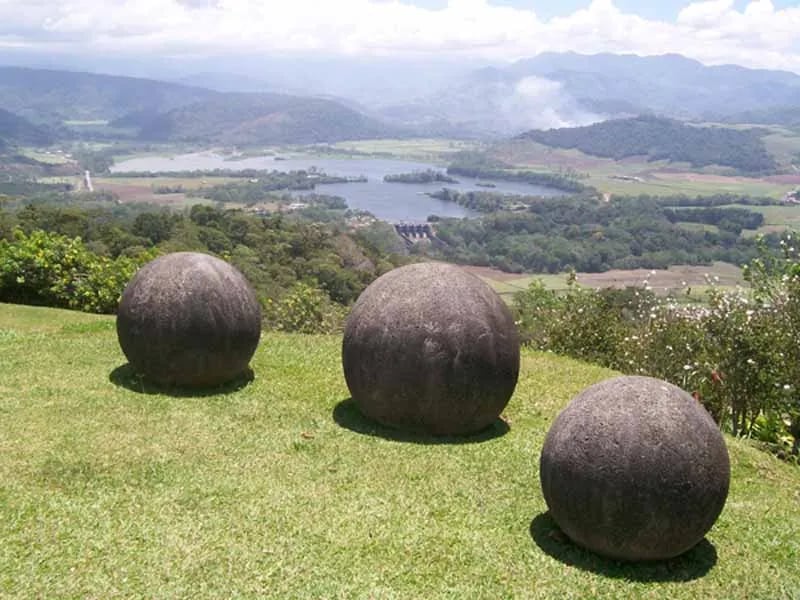
Deep within the Diquís Delta of southern Costa Rica lies one of the world's most enigmatic archaeological mysteries: the Stone Spheres of Costa Rica.
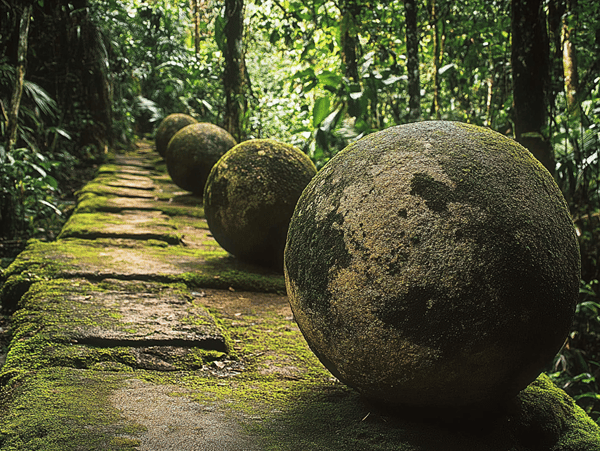
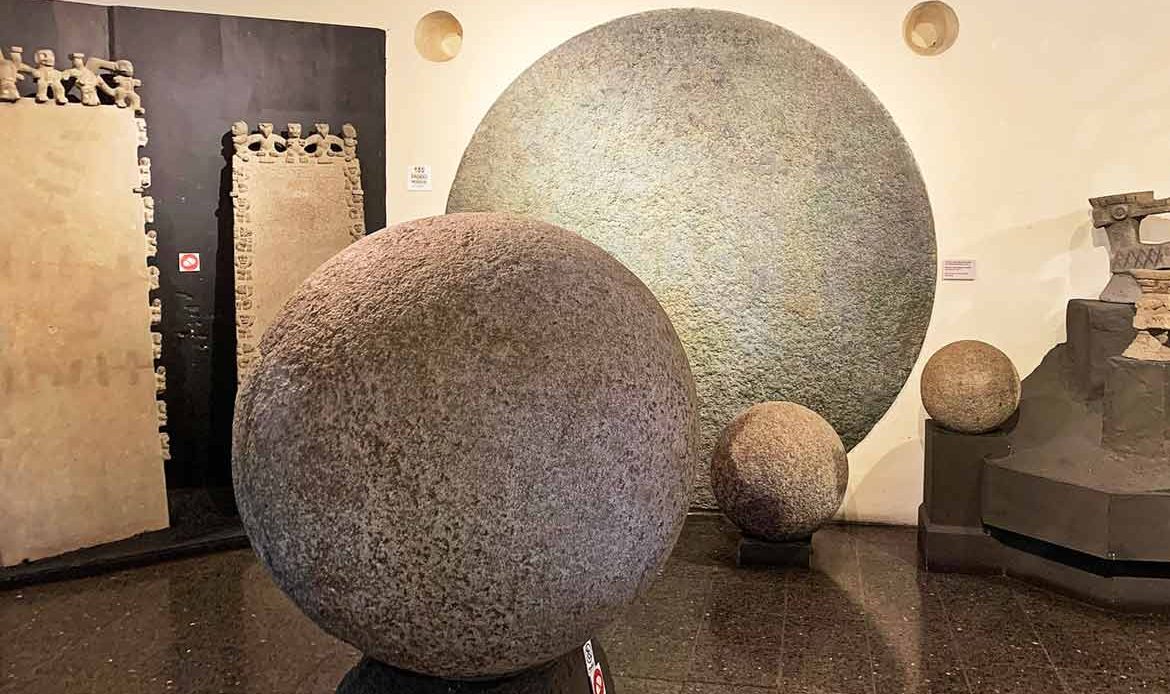
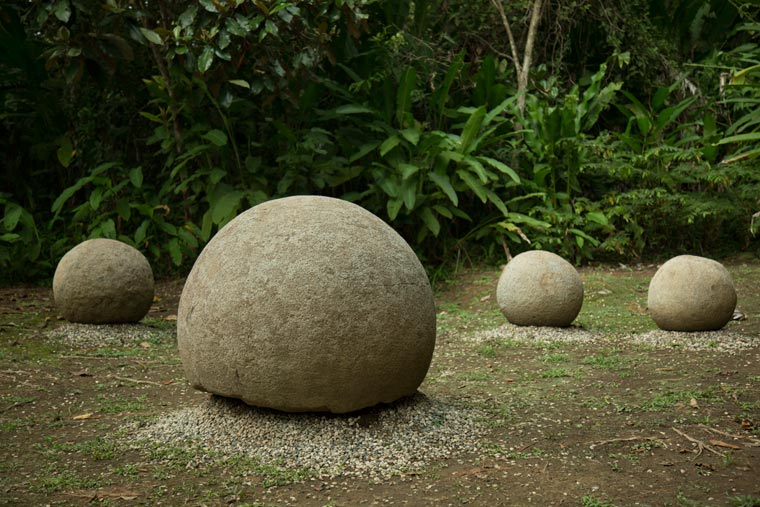
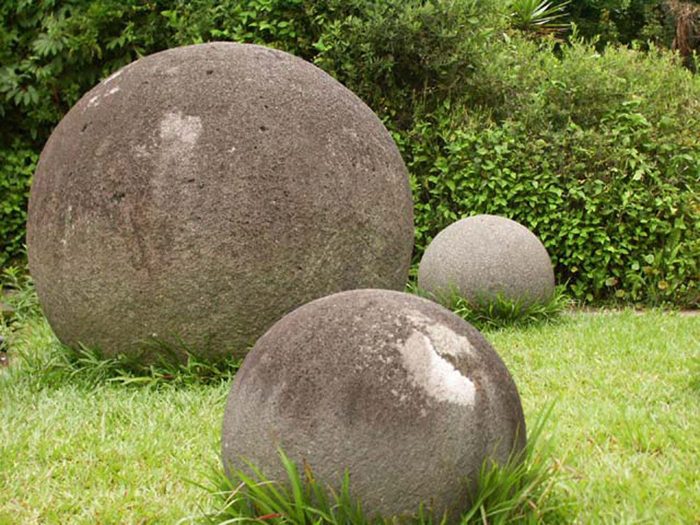
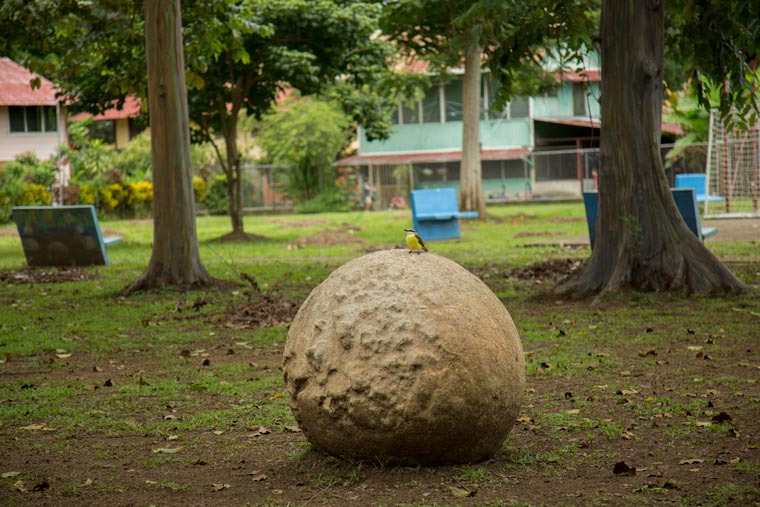
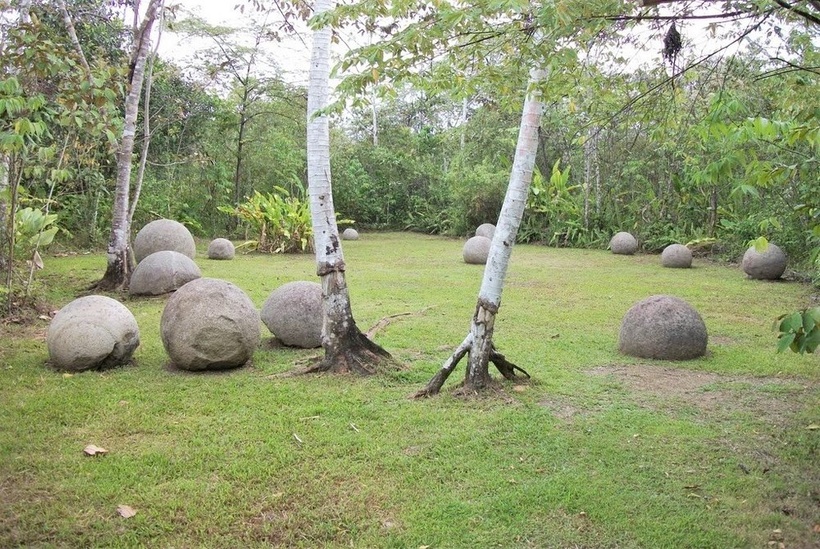
These perfectly spherical formations, ranging from a few centimeters to over two meters in diameter, are a testament to the advanced craftsmanship and perhaps symbolic practices of pre-Columbian cultures.
Their precise origins, purpose, and the methods used to create them continue to fuel speculation and scientific inquiry, making them an unparalleled attraction for history enthusiasts and archaeological researchers.
Historical Background
The Stone Spheres, locally known as "las bolas," are primarily associated with the extinct Diquís culture, which flourished in the region from around 700 AD to 1530 AD. While oral traditions mention their existence for centuries, their scientific discovery largely began in the 1930s when the United Fruit Company began clearing land for banana plantations.
Many spheres were unearthed during this period, often relocated or unfortunately damaged by heavy machinery and dynamite, leading to a significant loss of crucial contextual information. Early archaeological investigations, notably by Doris Stone, provided the first formal studies and documented their presence across various sites.
Notable Features
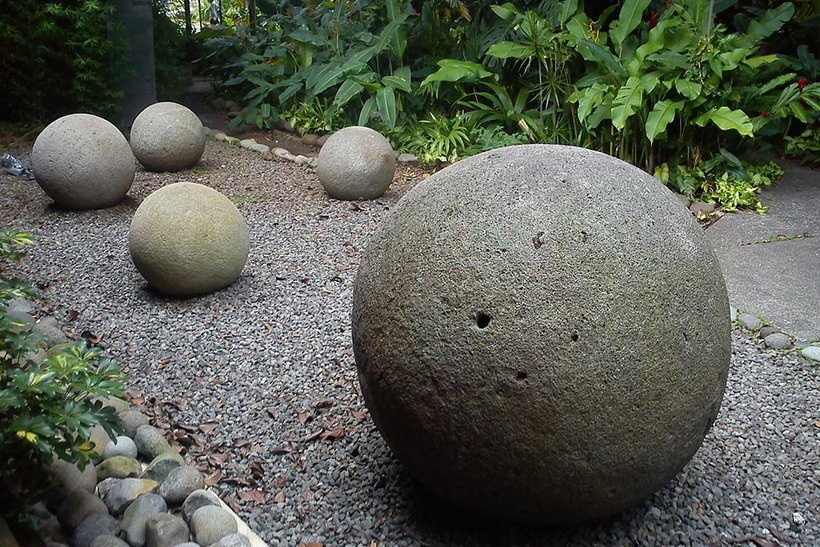
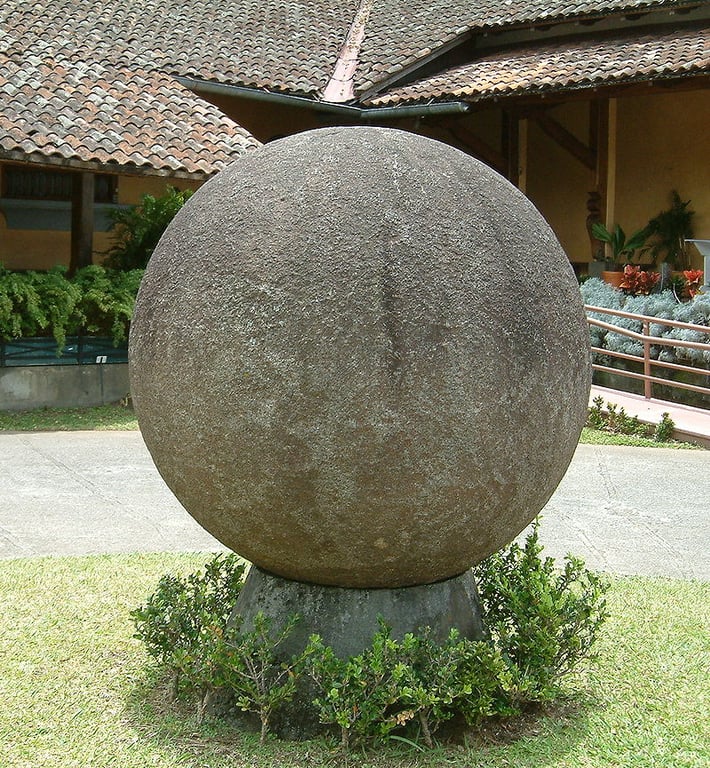
These remarkable artifacts are predominantly made from gabbro, a hard igneous rock similar to basalt, though some are carved from limestone or sandstone. Their most striking characteristic is their near-perfect sphericity, achieved with an astonishing degree of precision, often with deviations of less than a few millimeters from a true sphere.
Researchers believe that the Diquís people used a combination of heating and cooling techniques to fracture and shape the raw rock, followed by extensive grinding and polishing with abrasive sands and tools. The sheer scale and meticulous execution of these spheres, especially the larger specimens weighing up to 16 tons, highlight a sophisticated understanding of geometry and stonework.
Distribution and Arrangement
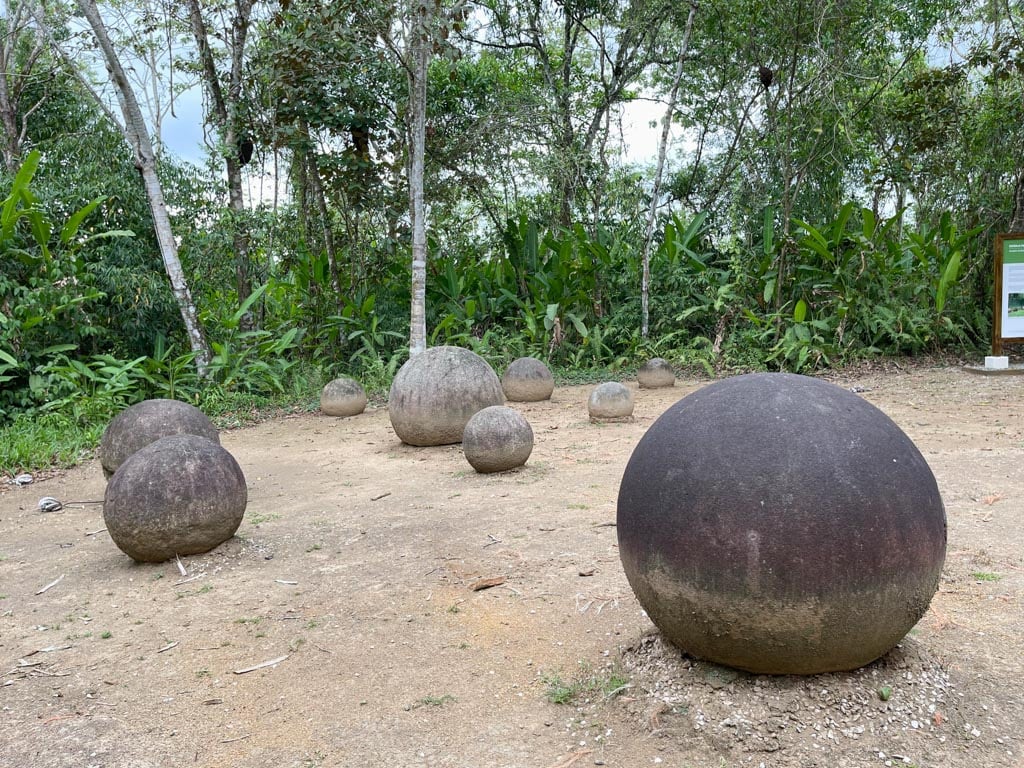
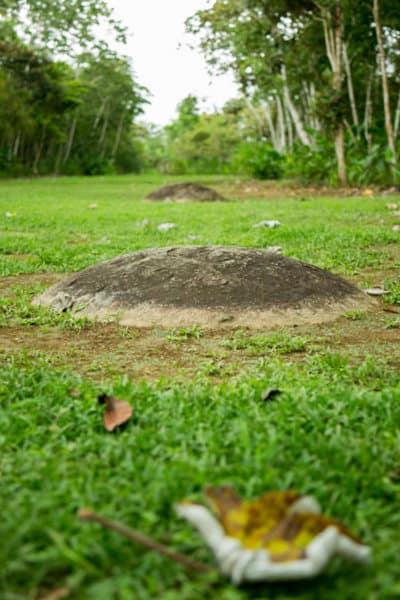
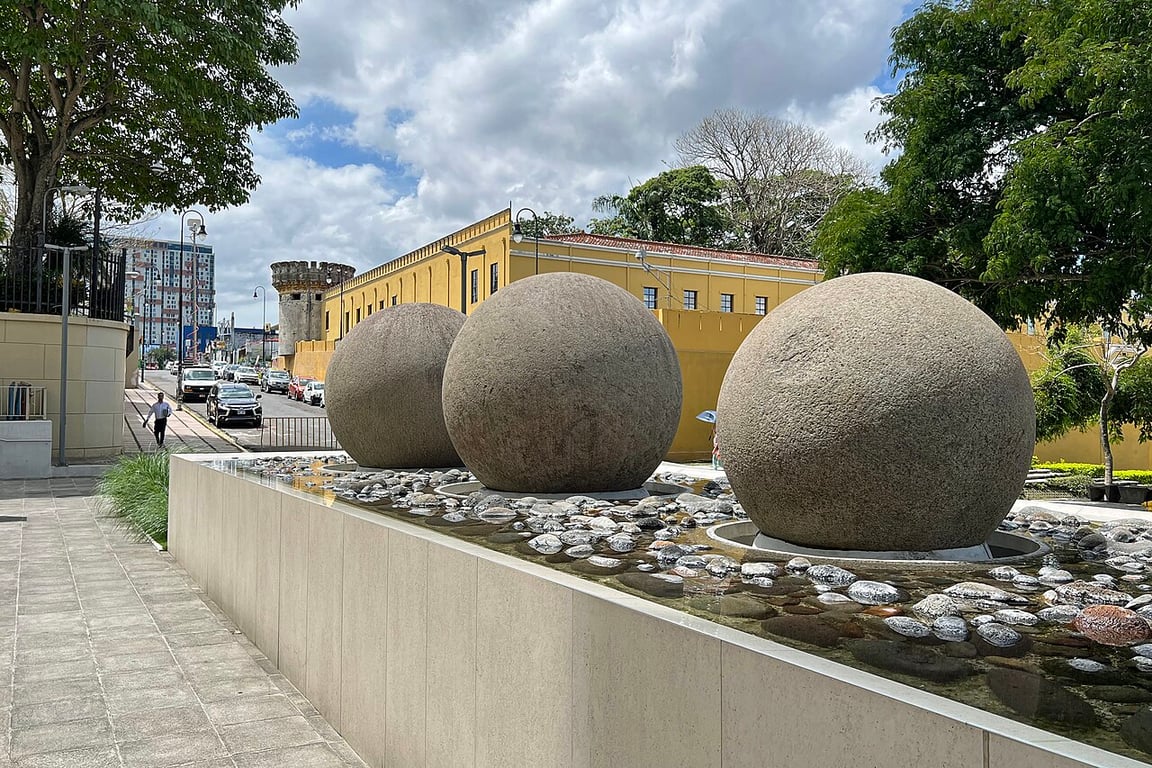
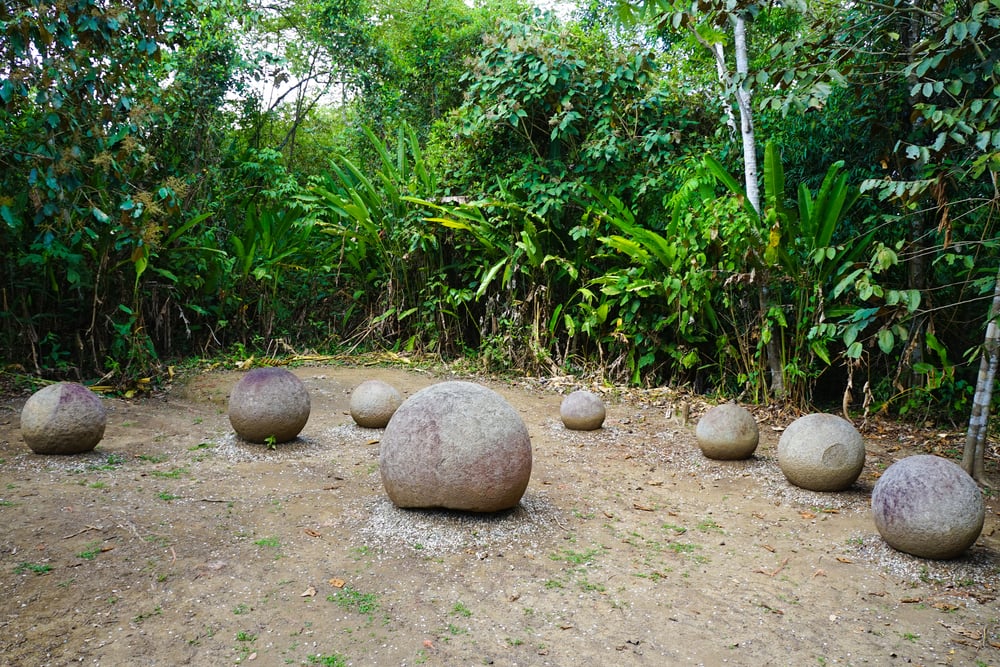
While originally found in various locations, the highest concentration of spheres has been discovered at the main archaeological sites of Finca 6, Batambal, Grijalba, and El Silencio in the Diquís Delta. Evidence suggests that they were often placed in deliberate arrangements, such as lines, triangles, or squares, in front of ancient structures or along pathways.
The exact significance of these arrangements remains a subject of ongoing debate, with theories ranging from astronomical alignments to markers of social status, territorial boundaries, or even purely aesthetic adornments.
Cultural & Archaeological Importance
The Stone Spheres of Costa Rica are invaluable for understanding the cultural practices and technological capabilities of pre-Columbian societies in Central America. They are the most famous archaeological artifacts from the Diquís culture and are recognized globally as a UNESCO World Heritage Site.
Their mystery continues to attract researchers hoping to unlock their secrets, providing insights into ancient engineering, cosmology, and social structures. The spheres serve as a powerful symbol of Costa Rican heritage and the ingenuity of its indigenous peoples, bridging the gap between an unknown past and our present fascination.
Preservation & Current State
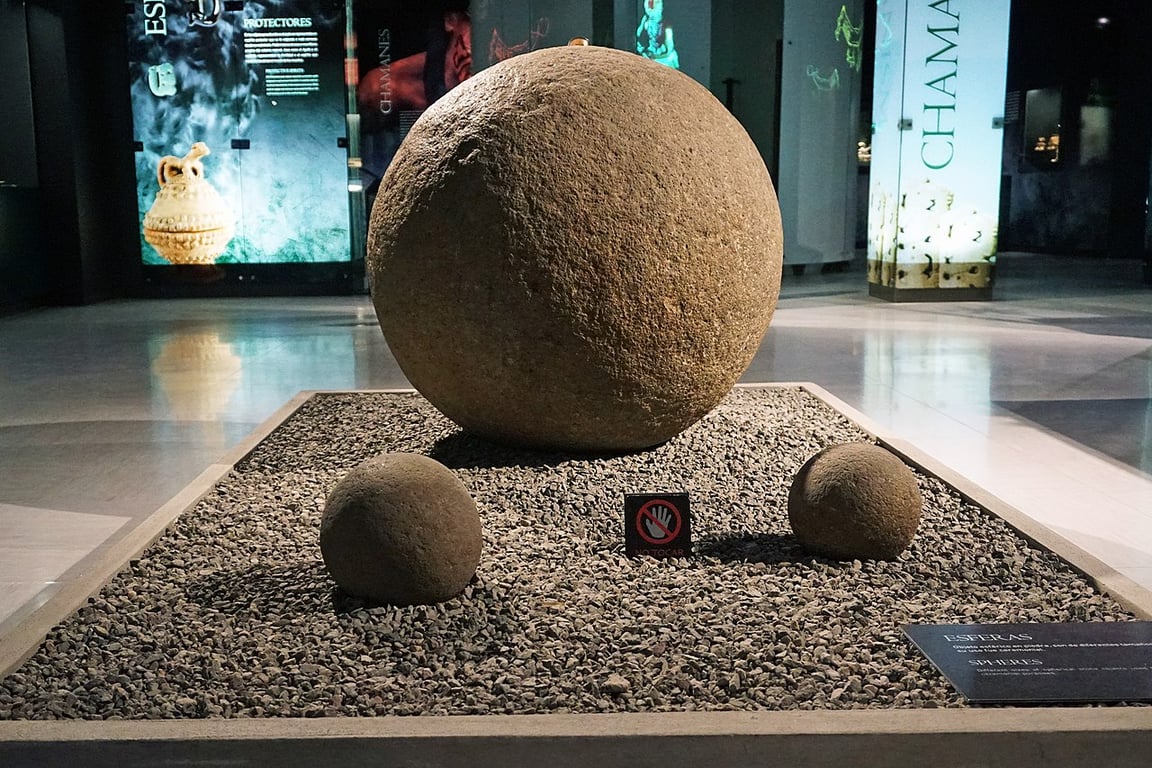
Today, significant efforts are being made to preserve and protect the remaining Stone Spheres. Many are now housed in museums, both in Costa Rica (such as the National Museum of Costa Rica) and internationally. In situ sites like Finca 6 are now protected archaeological parks, allowing visitors to view spheres in their original contexts and experience the historical landscape.
Research continues to employ non-invasive techniques to study composition, dating, and potential usage patterns. The safeguarding of these unique archaeological treasures ensures that future generations can marvel at the craftsmanship of the Diquís culture and ponder the enduring mystery of the Stone Spheres.
While the sheer perfection of the Diquís spheres is widely recognized, the true depth of their mystery extends far beyond their flawless geometry.
Decades of archaeological inquiry have peeled back layers of soil to reveal not just remarkable artifacts, but a tantalizing glimpse into a culture whose understanding of the cosmos, symbolism, and perhaps even advanced technologies remains stubbornly elusive.
These aren't merely ancient ornaments; they are silent witnesses to a civilization that left us a monumental riddle etched in stone.
Lesser-known Historical Facts
Often overlooked is the tumultuous rediscovery of these spheres. Many were not found in undisturbed archaeological contexts but rather by United Fruit Company workers clearing land for banana plantations in the 1930s. This often meant bulldozers unearthing and displacing spheres, sometimes even using them for decorative purposes around company headquarters or private homes.
This chaotic discovery process irrevocably compromised much of their original contextual data, obscuring potential alignments, groupings, or associated artifacts that could have illuminated their purpose. Early reports also mention spheres adorned with intricate carvings, some still faintly visible, hinting at a symbolic language now largely lost to time.
Legends & Controversies
The Atlantean Connection
Among the most persistent and captivating folk tales is the belief that the spheres are relics of a lost civilization, perhaps even Atlantis itself. Local legends speak of ancient beings with supernatural abilities who rolled these stones into place, or deities who used them as game pieces.
One popular myth suggests they are "thunder balls" shot from the sky by the god of thunder, or that they contain the secrets of the universe, accessible only to those deemed worthy. These narratives, while lacking scientific substantiation, underscore the profound awe and wonder they inspire within the local communities, reflecting a human tendency to attribute the unexplained to the extraordinary.
Geomantic Energy Points
One less conventional theory posits that the spheres were deliberately placed at precise geomantic energy points across the landscape, acting as conduits or markers for telluric currents. Proponents suggest that their perfect spherical shape was designed to resonate with specific energies, potentially influencing agriculture, spiritual practices, or even communication over vast distances.
While difficult to prove with conventional archaeological methods, this theory aligns with indigenous worldviews that often intertwined sacred geography with cosmic understandings. The fact that some spheres were found in clusters or seemingly aligned with astronomical events further fuels such speculation.
Mysterious Connections
Intriguing parallels have been drawn between the Diquís spheres and other enigmatic ancient stone objects found across the globe, from the Klerksdorp spheres of South Africa to the stone balls of Bosnia.
While geographically disparate and chronologically distinct, the recurrence of perfectly spherical artifacts raises questions about shared, perhaps intuitive, human engineering principles or even more profound, yet unsubstantiated, global connections.
Were these isolated inventions, or do they speak to a deeper, universally recognized symbolism or function now forgotten by modern humanity?
The Diquis Stone Spheres — photo gallery